
“Indigeneity and Pathways through Higher Education in Mexico” is a project funded by the Economic and Social Research Council (ESRC) (grant ES/S016473/1), United Kingdom. It was co-coordinated by Michael Donnelly from the University of Bath, Gunther Dietz from the Universidad Veracruzana, and Judith Pérez Castro from the National Autonomous University of Mexico.
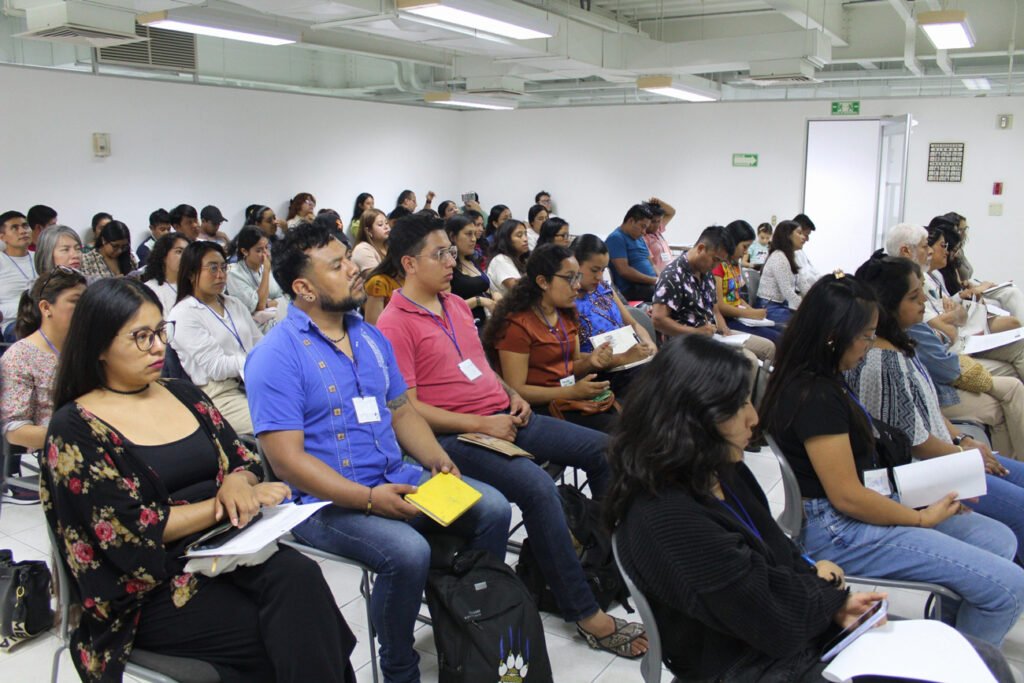
The research was conducted between 2020 and 2024. The general objective was:
- To analyze higher education’s role and purposes for indigenous peoples, especially the impacts that the type of higher education institution has on experiences, skills, and identities developed by indigenous students in their different social domains.
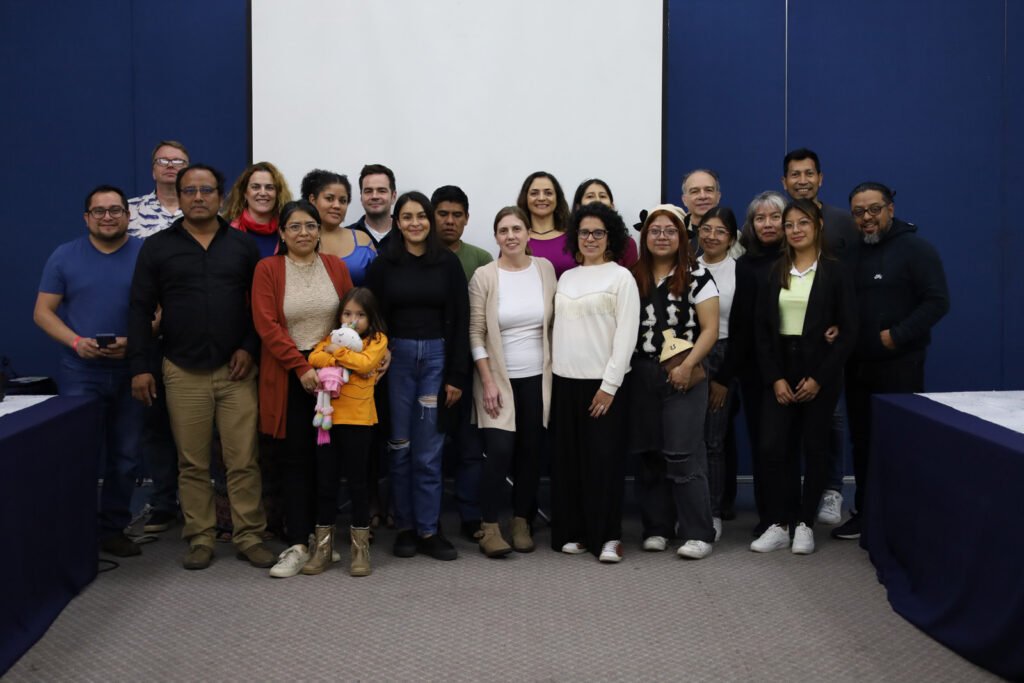
The specific objectives of the research were the following:
- To study experiences and encounters that indigenous students have during their academic trajectories through different types of higher education institutions.
- To ponder the meaning and relevance of skills and knowledge, attained in different types of institutions, for indigenous peoples.
- To analyze the impact of the different kinds of higher education institutions on the identities that indigenous students display in certain key areas (communities, peer group, workplace, among others).
The research approach was of a qualitative type. The inquiry consisted of a collaborative ethnography that included the following stages:
- Interviews with indigenous students.
- Interviews with university professors and administrative staff.
- Focus groups with students, teachers, and administrative staff.
- Workshops and forums with stakeholders.
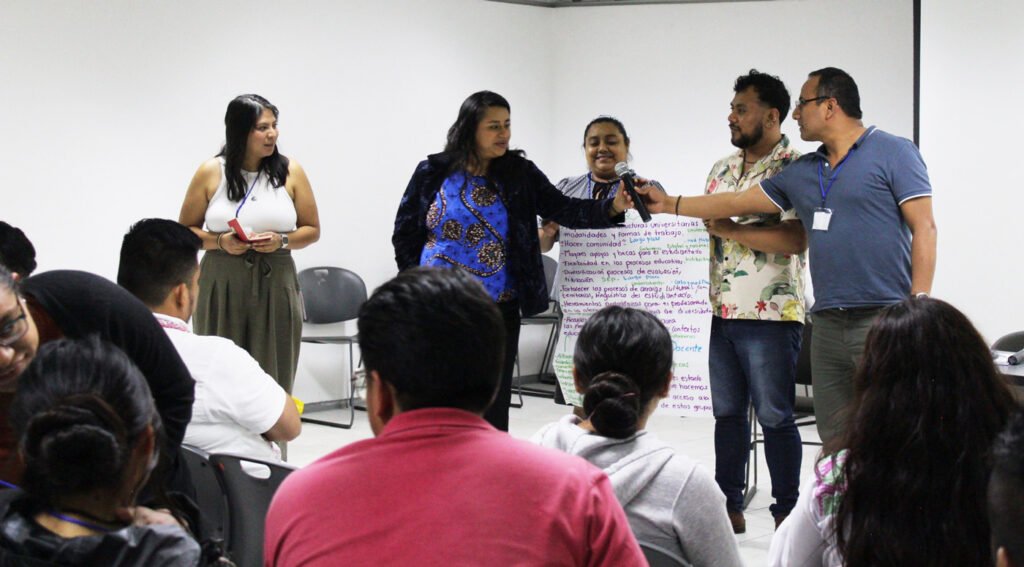
The empirical work (interviews, focus groups, and workshops) covered 7 types of higher education institutions:
- Federal public universities: Universidad Nacional Autónoma de México (UNAM).
- State public universities: Benemérita Universidad Autónoma de Puebla (BUAP), Universidad Veracruzana (UV), and Universidad Autónoma Benito Juárez de Oaxaca (UABJO).
- Public institutes of technologies: Instituto Tecnológico Superior de Zongolica (ITSZ) and Instituto Tecnológico de Comitán (ITC).
- Public and private intercultural universities: Universidad Intercultural de Chiapas (UNICH), Universidad Veracruzana Intercultural (UVI) (Selvas, Grandes Montañas y Totonacapan), Universidad Intercultural del Estado de Puebla (UIEP), Instituto Superior Intercultural Ayuuk (ISIA), Instituto de Educación Superior para el Desarrollo Humano Sustentable – Moxviquil, and Centro de Estudios para el Desarrollo Rural (CESDER).
- Agricultural universities: Universidad Autónoma Chapingo (UACh).
- Private universities: Universidad Popular Autónoma del Estado de Puebla (UPAEP) and Universidad Iberoamericana (UIA) campus Santa Fe and Puebla.
- Teacher training schools: Escuela Normal Bilingüe e Intercultural de Oaxaca (ENBIO).
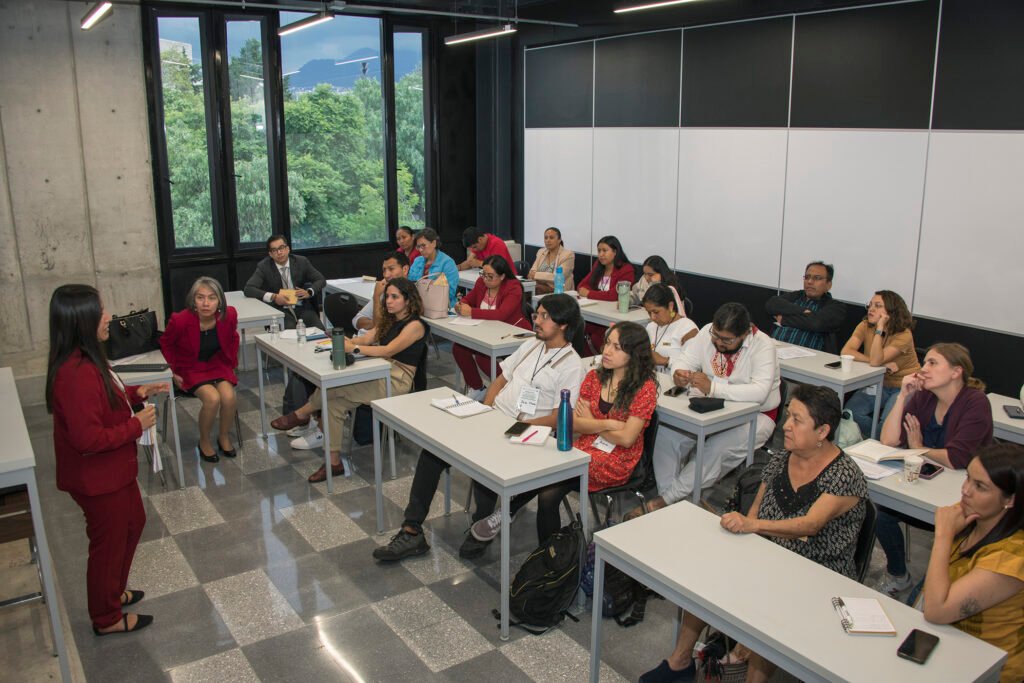
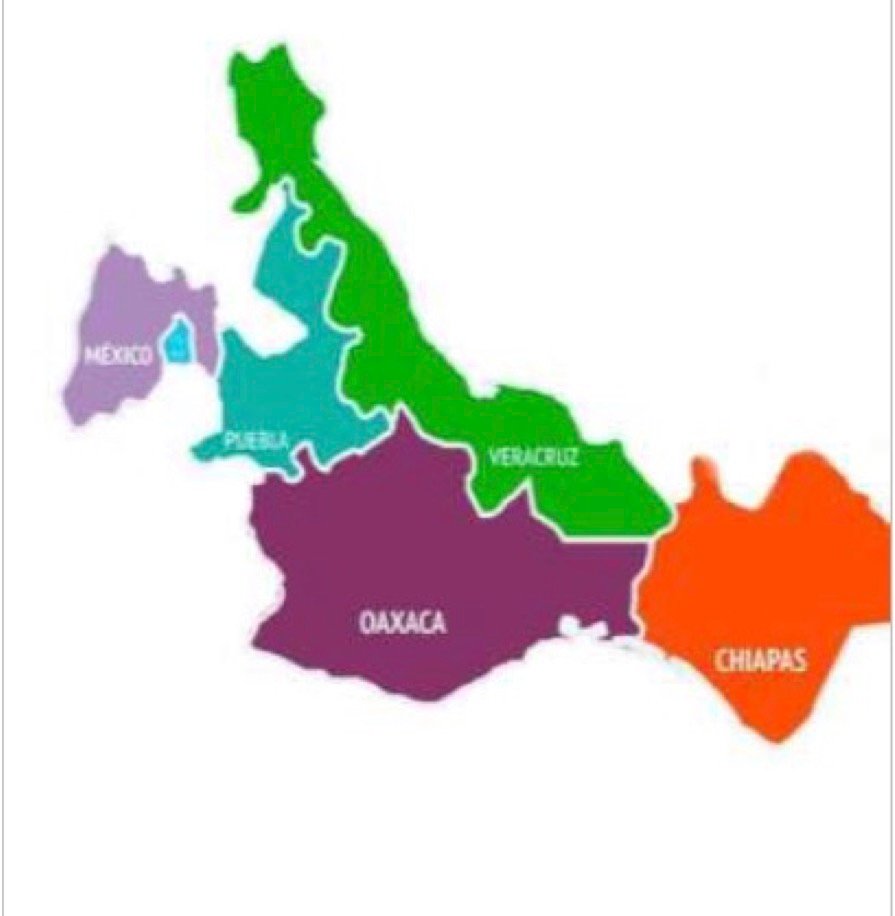
The sample included a total of 19 higher education institutions, spread across six provinces: Mexico City, the State of Mexico, Puebla, Veracruz, Oaxaca, and Chiapas.